What We Build
Four things.
Done properly.
Most websites aren’t broken. They’re just not connected to anything, no way to capture who’s visiting, no system to follow up, no structure to keep it running.
We build the four things that turn a website from a digital brochure into something that actually generates business. Not a collection of separate services but a system that compounds.
If your site exists but isn’t producing enquiries, you’re in the right place.
The common problem - Website exists. Leads don't.
What's usually missing - The infrastructure, not the design.
What we focus on - Build it right. Keep it working.
Every engagement is structured around long-term performance, not a one-time deliverable.
What We Build
Websites & eCommerce
A website that works isn’t about how it looks. It’s about what it does.
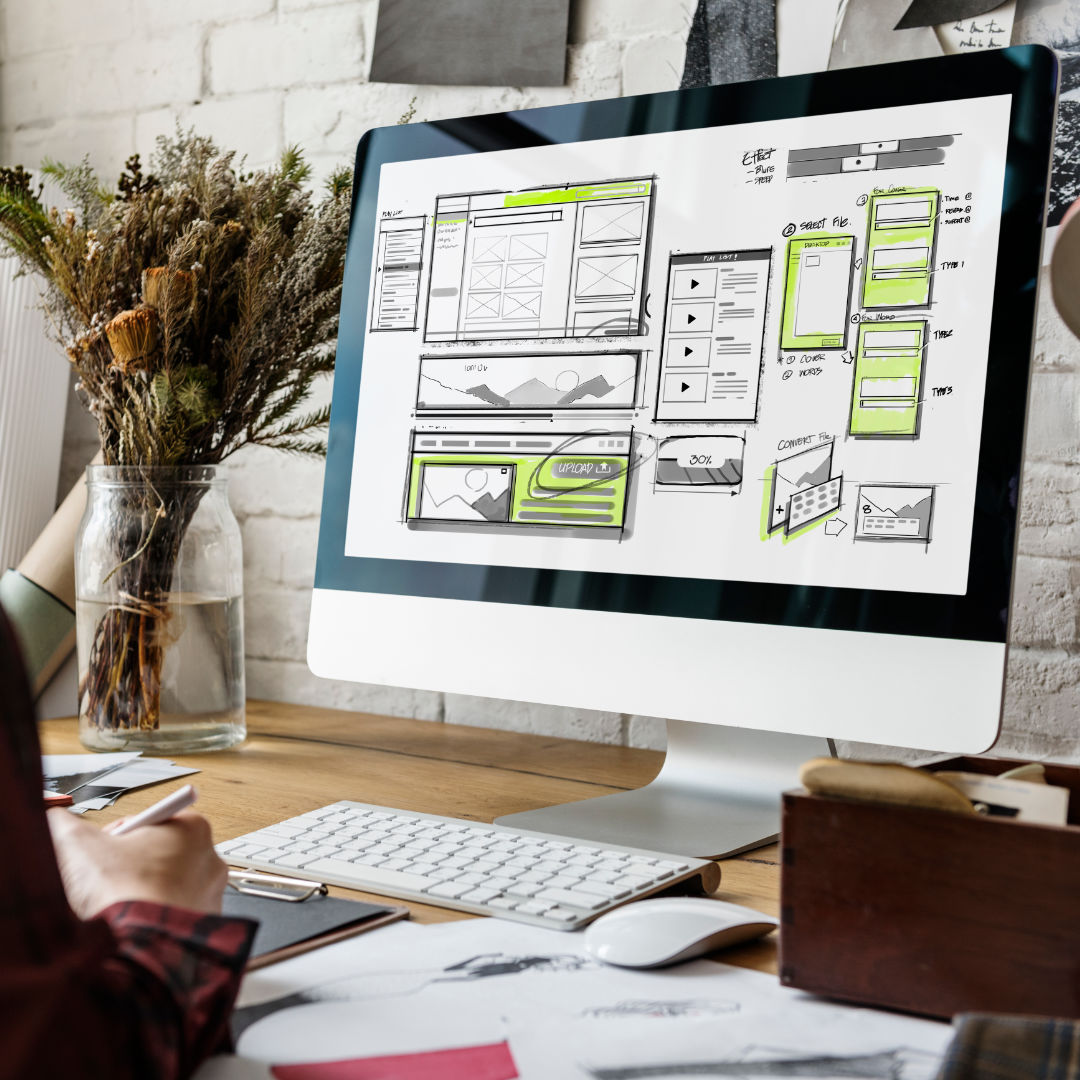
We build modern websites and online stores designed to convert fast to load, clear to navigate, and structured so search engines can find them. Whether you’re launching something new or replacing a site that’s stopped performing, we build it right the first time.
- Business & service websites
- eCommerce & online stores
- Product & listing sites
- SEO foundations & mobile optimisation
What We Build
Lead Capture Systems
Traffic without capture is just noise.
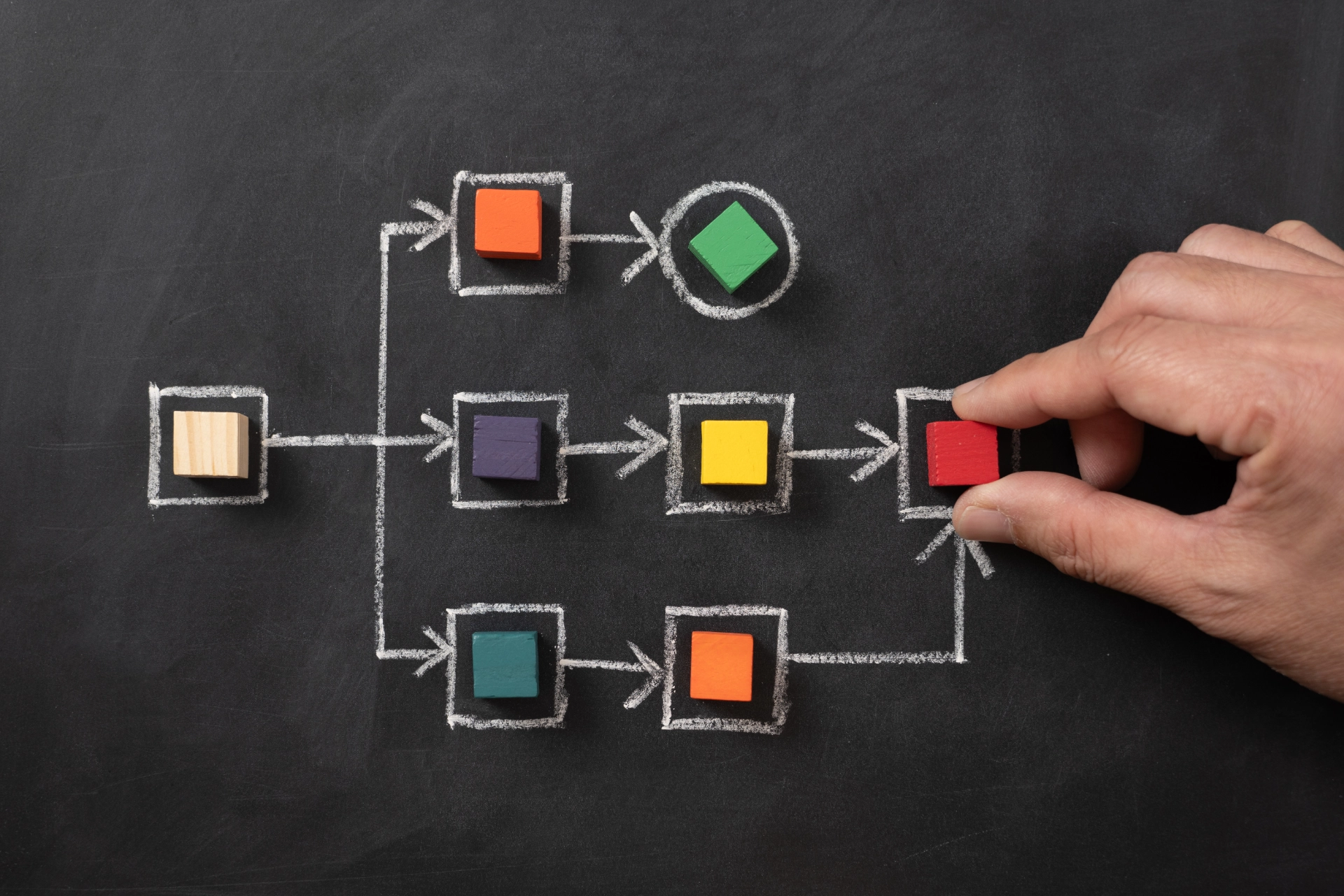
If you can’t see who’s visiting, what they’re doing, or how to follow up — you’re leaving leads on the table. We set up the infrastructure to turn website visitors into trackable enquiries, connected to the tools your business already uses.
- Contact & qualification forms
- CRM integrations
- Enquiry tracking
- Analytics setup
What We Build
Lead Response & Booking
Speed matters. Most businesses respond too slowly or not at all.
We build the systems that make sure every enquiry gets a response automatically, consistently, and fast. Booking flows, consultation scheduling, confirmation emails, calendar syncing. The bits that usually fall through the cracks.
- Appointment & consultation booking
- Automated confirmations & reminders
- Calendar integrations
- Enquiry notifications

What We Build
Website Management
A website isn’t a one-time project. It needs to keep working.
We handle the ongoing side of things updates, security, backups, performance so your site stays fast, secure, and current without you having to think about it. This is where most of our long-term client relationships live.
- WordPress updates & security
- Backups & monitoring
- Performance improvements
- Technical support
These aren't four separate services. They're one system.
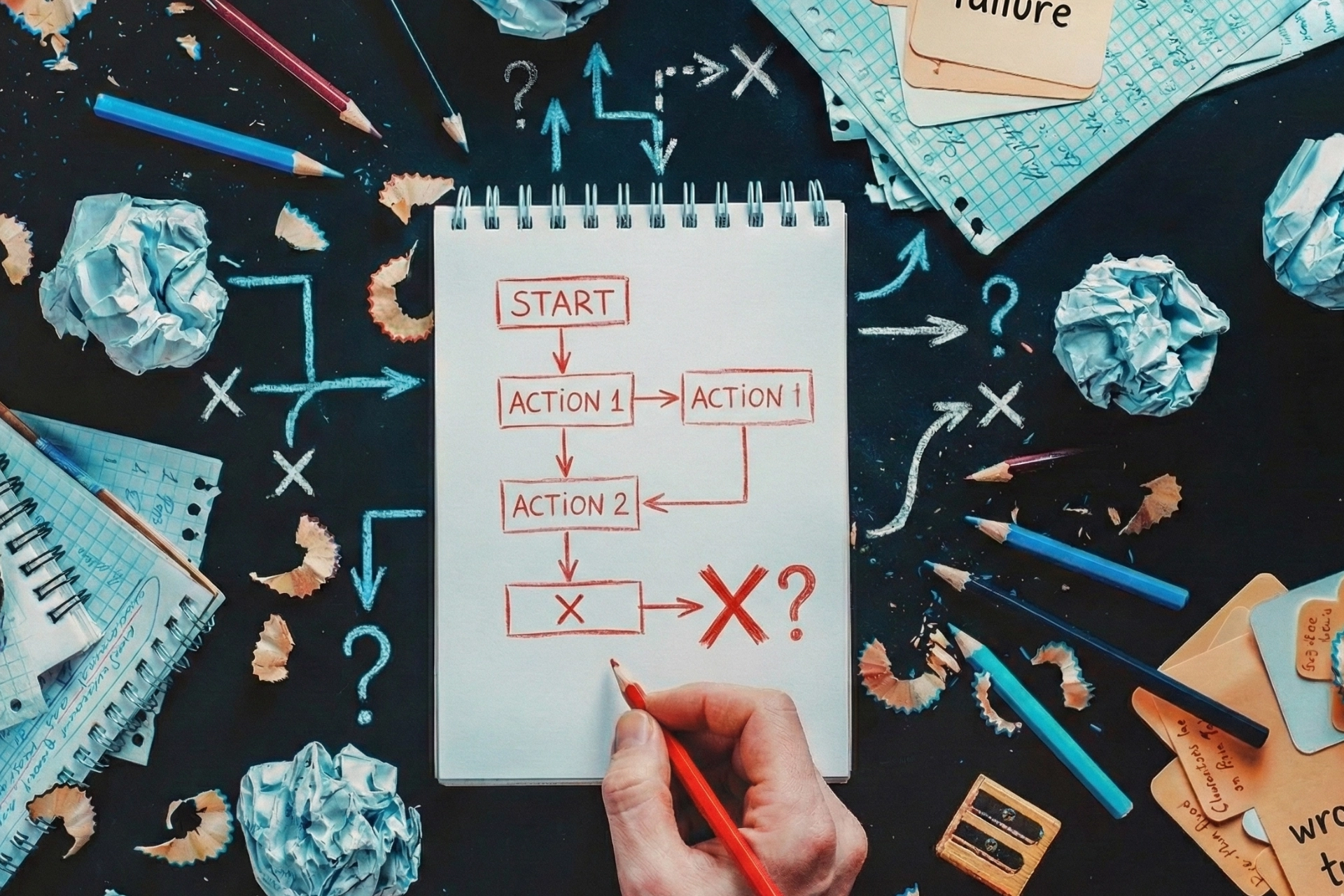
Each pillar builds on the last. A website without lead capture is a brochure. Lead capture without response systems is a dead end. And none of it compounds without ongoing management keeping it reliable. Done together, the four pillars create something that runs and keeps running.
Website
Visitors arrive. First impression is made.
Capture
Response
Management
The result: A website that generates enquiries, captures them properly, follows up automatically, and doesn’t quietly break three months after launch.